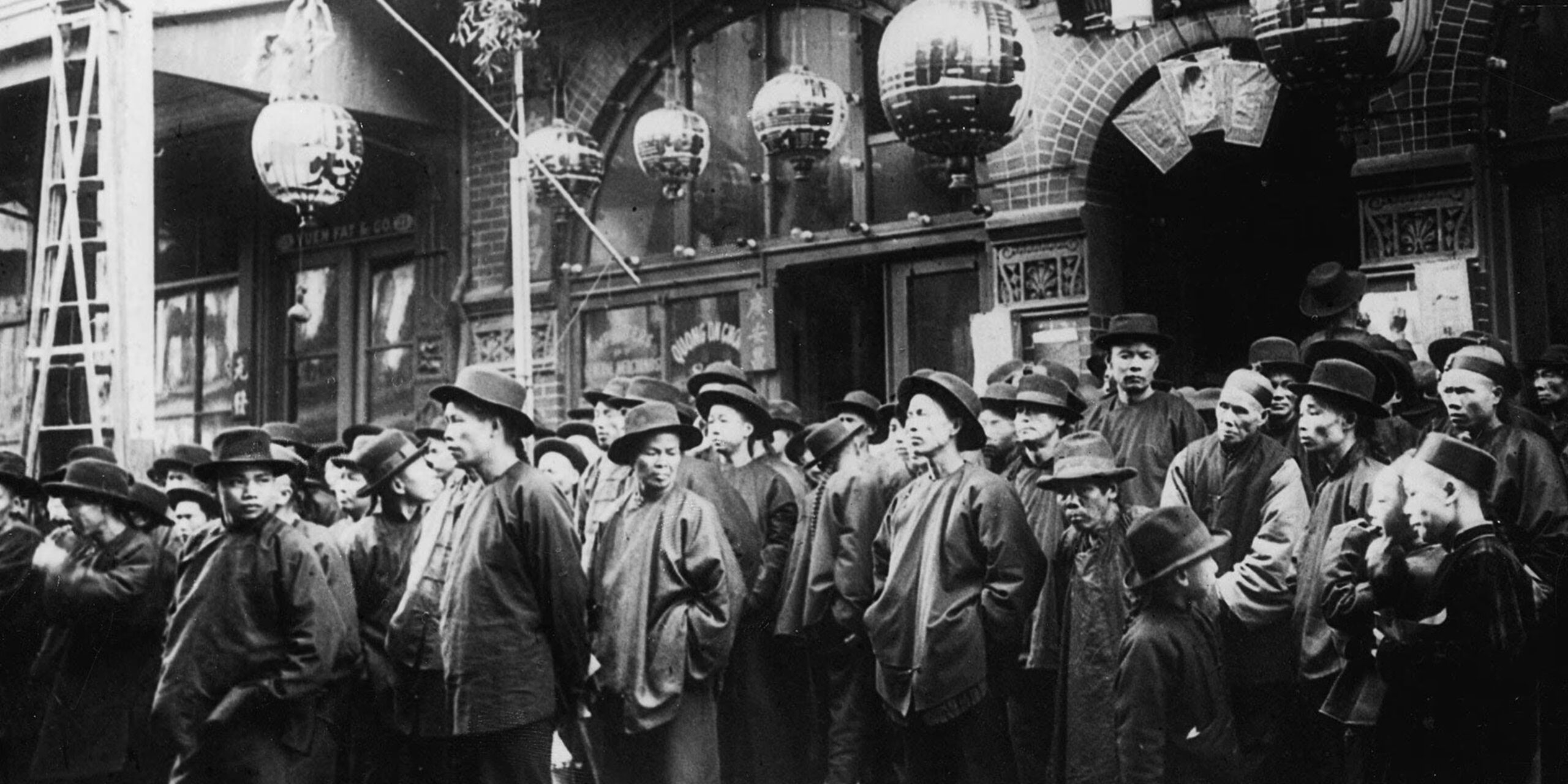
 1850January 1, 1850The Foreign Miners’ Tax: Targeting Chinese Immigrants in California
The California legislature passed a Foreign Miners' Tax targeting Chinese immigrants that required workers who were not U.S. citizens to pay tax every month for the right to mine. Louie adds that guide books of the era included advice to Chinese men on how to deal with violence.
- January 1, 1880Discrimination by Design: The Laundry Permit Ordinance1880
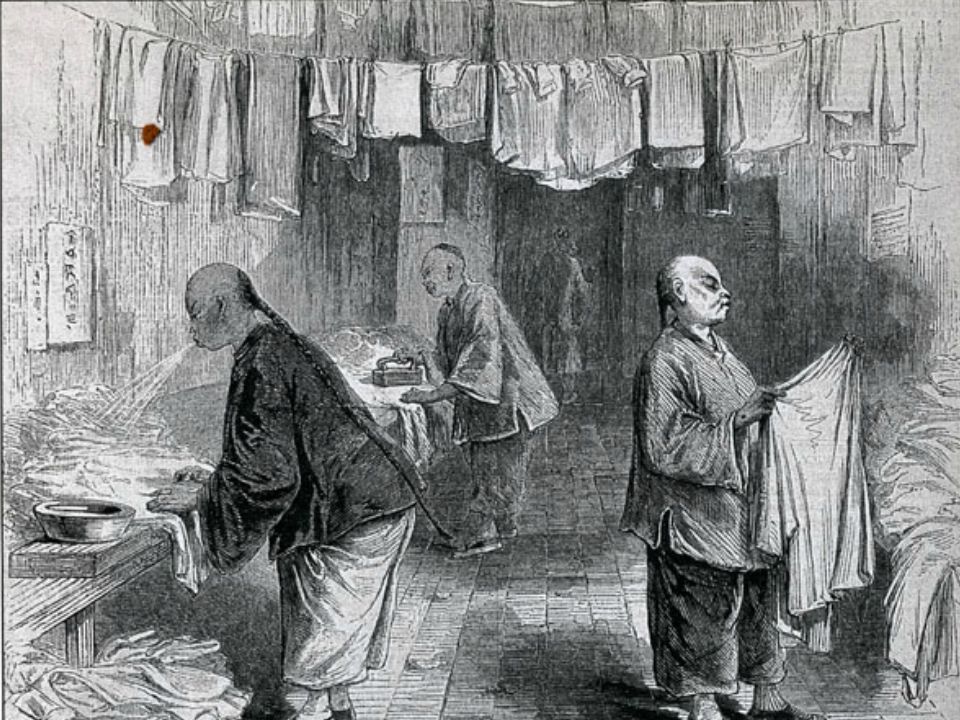
One ordinance required every laundry business to obtain a permit from the board of supervisors, yet Chinese shop owners were regularly refused permits. (Eventually the Supreme Court struck it down, citing the discriminatory effects of the law.)
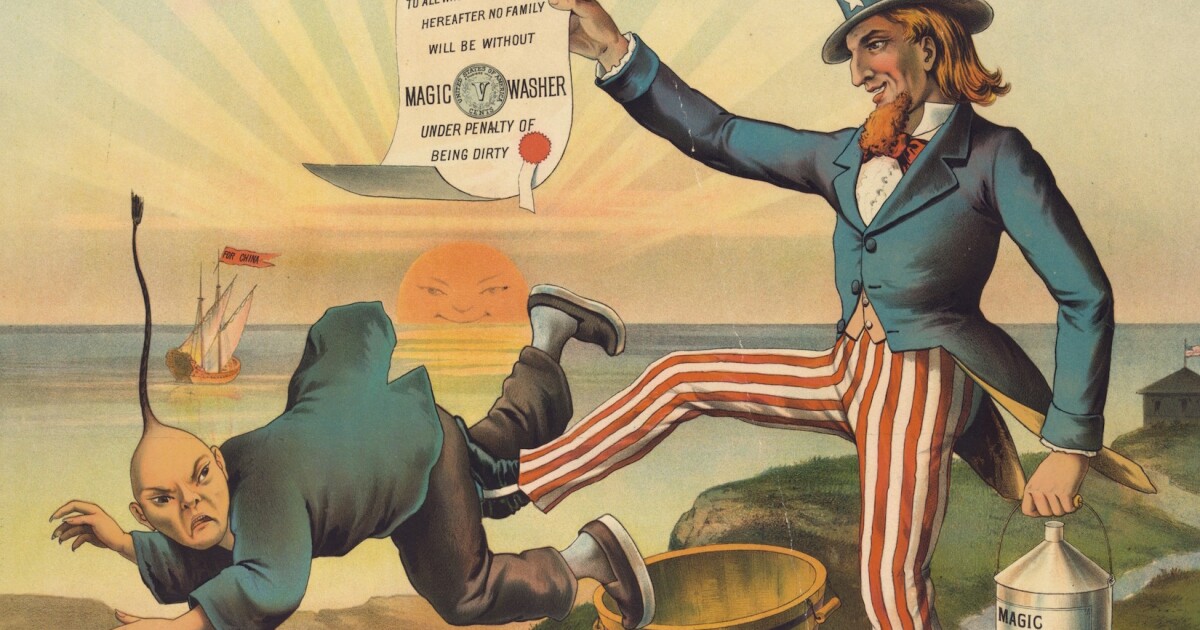 1882January 1, 1882The Chinese Exclusion Act: A Decade of Closed Doors
In 1882, the Chinese Exclusion Act was passed, halting Chinese immigration for 10 years and barring those already in the U.S. from becoming citizens. “They had no other place to go in a very hostile country at that time,” says James S. Lai of Santa Clara University’s ethnic studies department.
- January 1, 1943From Survival to Renewal: The Changing Face of Chinatown1943
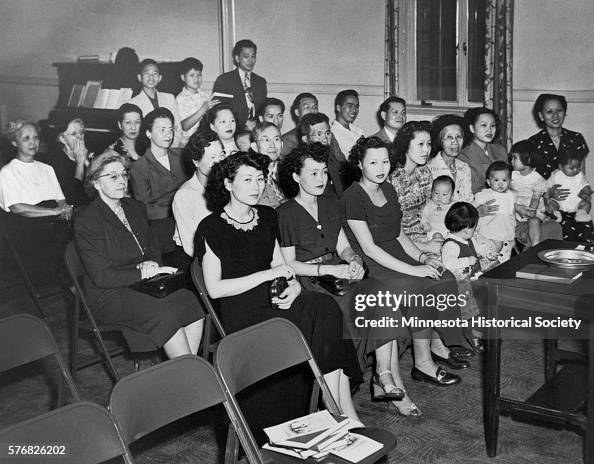
Despite the violence, many Chinatowns survived. And when the Exclusion Act was repealed in 1943, followed by the War Brides Act in 1945, the communities that had been dominated by men started to shift. “This allowed the wives of Chinese American veterans to come into the United States,” Louie says. “So you see that the gender balance begins to even out, and begin to see the development of families in these Chinatowns, and that's so key.”
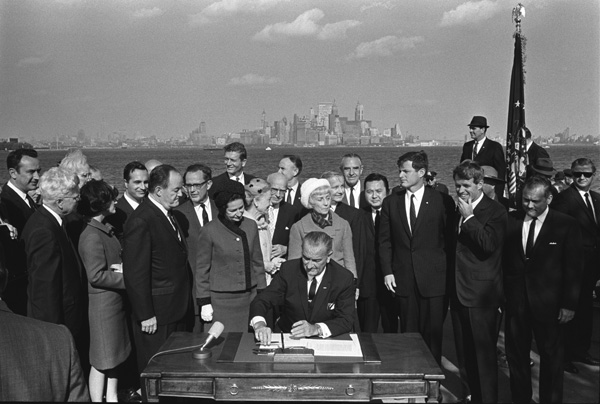 1965January 1, 1965Beyond Chinatown: The Rise of Suburban Chinese American Communities
By the time the Immigration and Naturalization Act was enacted, Chinatowns had transformed into multi-generational communities. Poor housing and social services in the Chinatowns eventually spurred Chinese American families to move to the suburbs, most notably to California’s Monterey Park, which became a major suburban Asian enclave. In San Francisco, more Chinatowns sprung up, including ones in the Sunset and Richmond districts.
- January 1, 2021Remembering and Repairing: Apologies for Lost Chinatowns2021
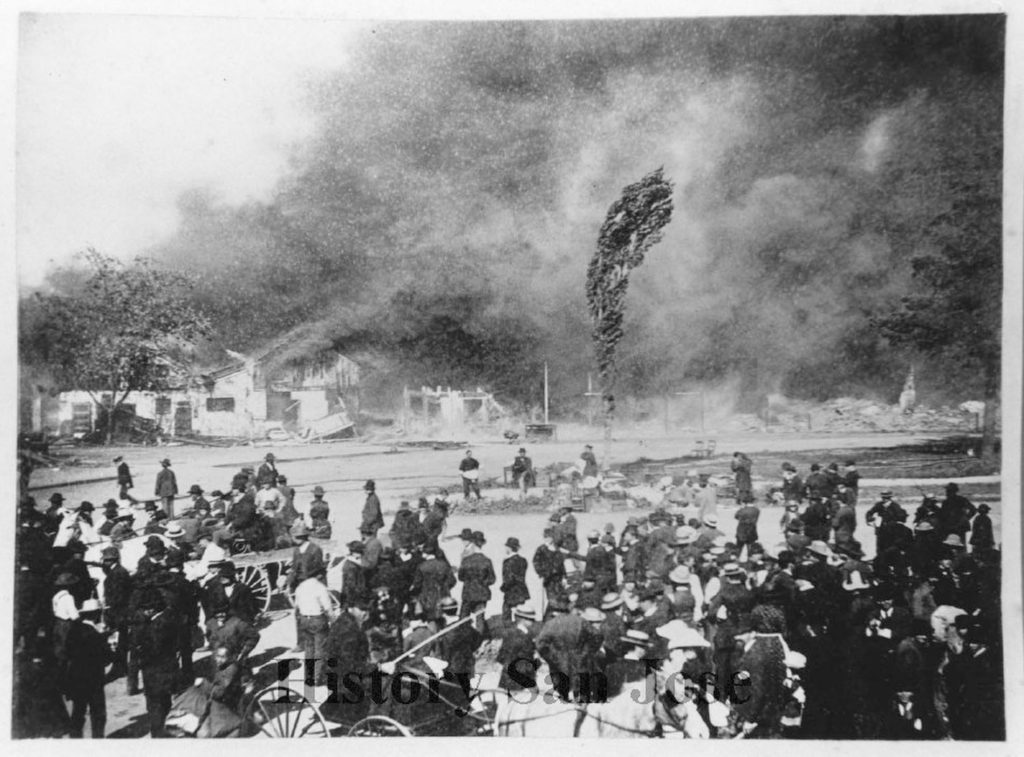
In 2021, Antioch, California offered an official apology for the destruction of its Chinatown in 1876 and designated the site as a historic district. Later that year, the city of San Jose formally apologized for the burning down of its largest Chinatown in 1872, taking responsibility for playing a role in “systemic and institutional racism, xenophobia, and discrimination.”
Timeline
Chinese American ArchiveThe story of Chinese immigration to the United States is one of resilience, courage, and transformation. Beginning in the early 19th century with dream-chasing adventurers during the California Gold Rush and laborers building the transcontinental railroad, Chinese immigrants faced both opportunity and peril. They contributed immeasurably to America’s development, even as they endured exclusionary laws like the 1882 Chinese Exclusion Act—the first U.S. law to ban an entire nationality—and overt racism, including mob violence such as the 1871 Los Angeles massacre. With the repeal of explicitly racial immigration restrictions in the 1940s and the passage of inclusive immigration reforms in 1965, Chinese Americans began new chapters, becoming one of the largest and most dynamic Asian American communities today. This timeline traces their profound impact across generations—from hopeful beginnings to enduring legacies.