Steel and Silence: Chinese Workers, Exploitation, and the Making of a Nation
Siyu Zhang
Lower Canada College, Montreal, Canada
The paper examines the critical but often overlooked role of over 17,000 Chinese workers in building the Canadian Pacific Railway (CPR) between 1881–1885. While their labor was indispensable in uniting Canada, they endured exploitation, discrimination, and later systematic exclusion from the very nation they helped create. The study highlights how Canada’s nation-building rested on both progress and racialized oppression.
I. Introduction
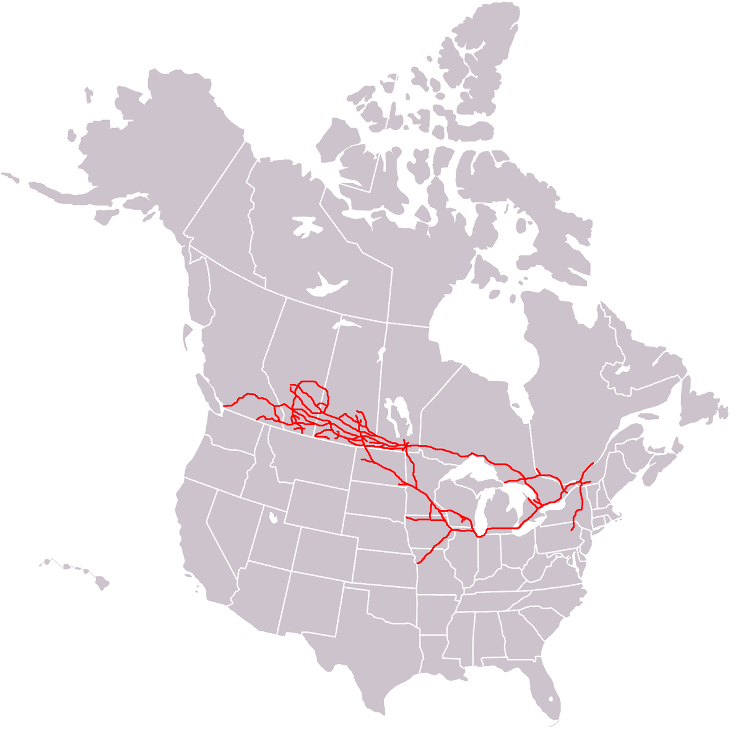
In the late 19th century, the completion of the Canadian Pacific Railway marked a significant turning point in Canada’s history, as it was the country’s first transcontinental railway. As the purpose of this railway was to connect and unite Canada from east to west, the railway was a cornerstone of the first Prime Minister, John A. Macdonald. It served as one of the most significant factors contributing to the formation of a united Canadian Confederation. In fact, British Columbia agreed to join Canada in 1871 on the condition that a transcontinental railway be built to connect British Columbia with the rest of Canada. This massive project, stretching from British Columbia to Montréal, Québec, was not only intended for trade and settlement but was also part of a comprehensive plan to defend Canada against the growing threat of annexation by the United States of America. For a young country, this national project was more than just a transportation network; it allowed Canada to assert federal power over its vast territory.
Despite the high importance of the Canadian Pacific Railway, several controversies arose during its construction. In particular, the labor of over 17,000 Chinese workers, mainly employed in British Columbia, was often historically marginalized in both public and private narratives. These workers were recruited under exploitative conditions. They were tasked with the most difficult part of the entire railway; they lived and worked in dangerous and terrible conditions, and their wages were low compared to those of other workers. Once the railway was completed, the majority of them were left unsupported, denied citizenship and legal rights, and forced to live with the increasingly hostile immigration laws.
This paper argues that the efforts of these Chinese workers were indispensable to the national project of constructing a transcontinental railway, which partially led to the birth of the Canada we have today. Despite the great effort, they simultaneously faced discrimination, dehumanization, and exclusion from Canada. The erasure of this history reveals an important controversy in Canadian history: the country’s most important foundation lies in labor exploitation with a race of laborers, which it later sought to forget. By examining the conditions under which these laborers worked, the political motivations behind the recruitment and the discrimination, and the lasting consequences on the Chinese community in Canada, this study aims to reclaim a lost history.
II. Historical Background
Chinese immigration to Canada has a long and complex history. Beginning as early as 1788, when 50 artisans settled at Nootka Sound, British Columbia, to help build the trading between British Columbia and Guangzhou, China. However, a larger influx occurred near 1858, when a significant number of Chinese people arrived at the Fraser River. At first, many immigrants arrived from San Fransico, soon followed by Chinese people sailing directly from Southern China and Hong Kong. All of them had the same goal: to find gold. While gold was definitely a major factor, there were several other reasons why many Chinese immigrants chose to leave China and move to Canada. Specifically, during the mid-18th century, there were natural disasters, wars, and political instability in China. Therefore, many of them came to Canada in the hope of escaping the dire conditions in China. By 1860, the Chinese population of British Columbia had grown to 7,000, and several Chinese communities were formed, including the famous Barkerville.
Simultaneously, the demand for cheap and expendable labor increased dramatically in the 1870s and 1880s due workers were needed to construct the Canadian Pacific Railway. While the Canadian Pacific Railway was a huge success in uniting the country, its construction was not easy. In fact, British Columbia’s landscape was the hardest challenge, with rocky mountains, dense forests, and canyons. Chinese workers were willing to work at a much lower price than white workers; furthermore, they could endure the harsh conditions. Lastly, many Chinese workers already had experience building the American transcontinental railway earlier. As a result, Canadian and American contractors recruited many Chinese workers in order to reduce the cost of construction.
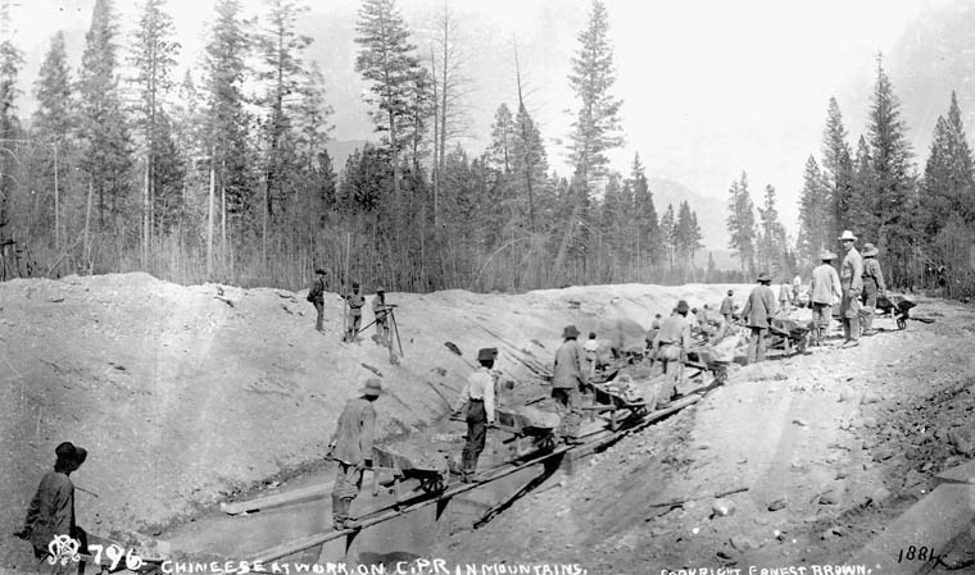
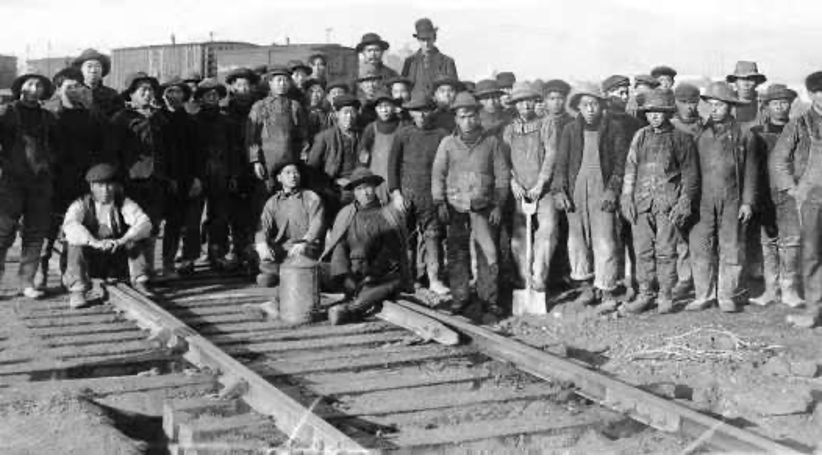
Between 1881 and 1885, more than 17,000 Chinese workers were recruited, mainly working on the western segment of the railway in British Columbia. They were employed in the most difficult tasks, including clearing land, blasting tunnels, and laying track along cliffs and river valleys. At several points during construction, Chinese workers made up as much as three-quarters of the railway workforce in British Columbia.
Understanding the historical context is essential to recognizing this controversy. The nation relied on the labor of a racialized and marginalized group to build its most ambitious project, only to subject that group to systemic exclusion, political discrimination, and social erasure in the following decades.
III. Labor Conditions and Racialized Exploitation
The working and living conditions faced by Chinese workers were among the harchest in Canadian industrial history, along with deliberate racialized exploitation. Unlike white workers, Chinese workers were often assigned the most difficult and dangerous tasks, including dynamite blasting in the treacherous Fraser Canyon, tunneling through solid rock, clearing dense forests, and laying tracks along steep cliffs and unstable riverbanks. Blasting tunnels through the solid rocks was definitely the most dangerous part of the job. Explosions were often carried out with minimal safety equipment, poor training, and unstable dynamite. These tasks carried extreme risks: cave-ins, explosions, landslides, and exposure to the harmful elements were daily threats. In contrast, white workers were usually given supervising roles. Even when given physical tasks, white laborers usually worked in less dangerous segments of the construction, such as in the Prairies and Eastern Canada, where the landscape was flat and more suitable for construction.
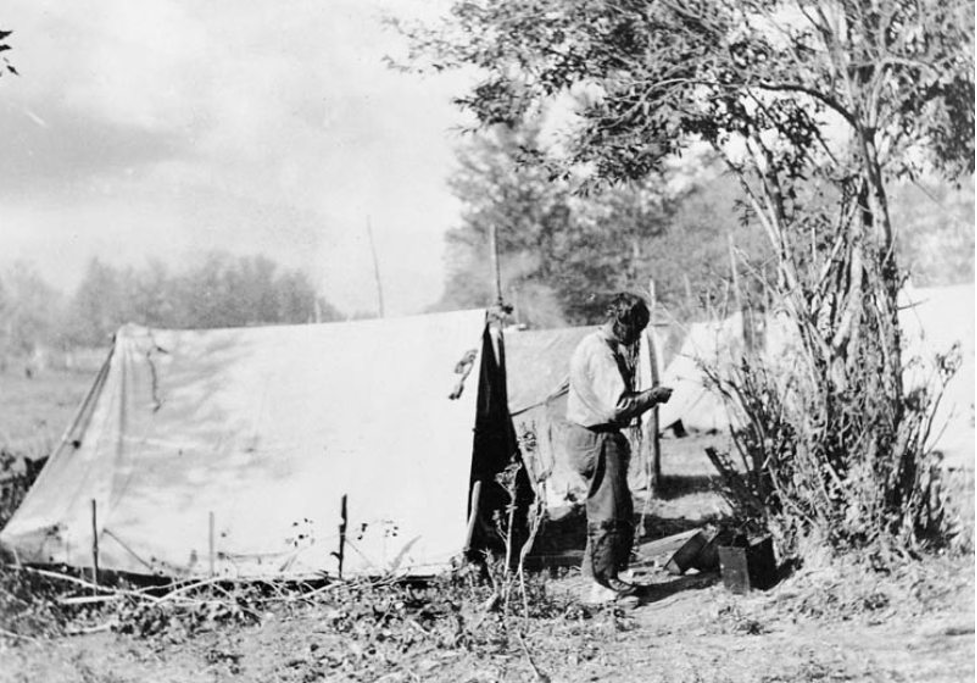
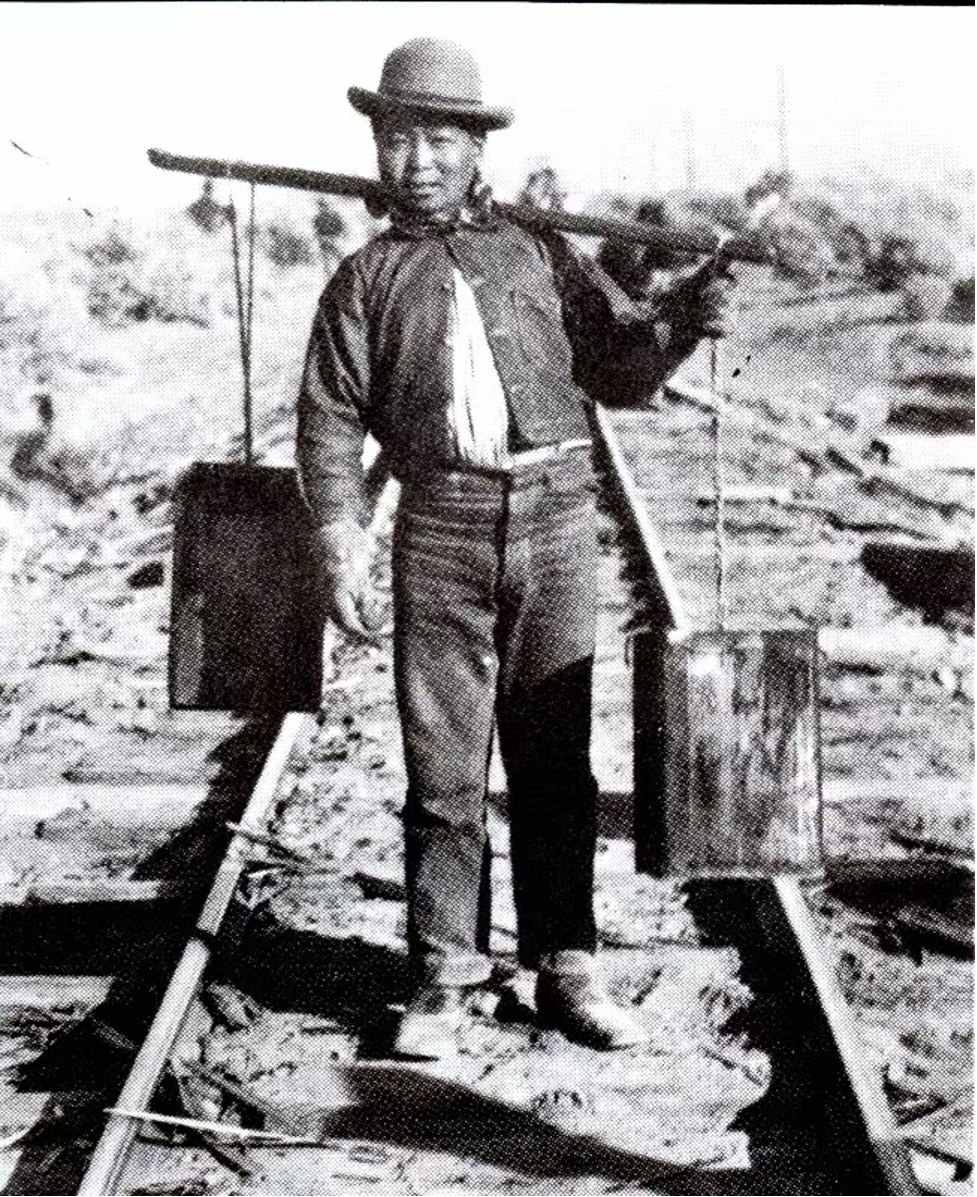
Wage distribution was also not equal. Chinese workers received around one dollar per day, which was significantly less than their white counterparts. In comparison, white workers usually received 1.50$ to 2.50$ per day. Furthermore, unlike white workers who had their food and lodging provided by employers, Chinese workers needed to pay for their food, lodging, and equipment, using the little wages they earned. Despite paying for their food and lodging, their living conditions were definitely worse than white workers living conditions. Chinese laborers live in overcrowded, makeshift camps constructed near the construction sites. These camps often lack proper sanitation, access to clean water, medical support, and even proper insulation from cold and rain.
Food was not much better. Diets were basic, often consisting of rice and dried salmon, with very few fresh vegetables or fruits. This imbalance contributed to malnutrition and diseases such as scurvy. Medical care for Chinese workers was virtually nonexistent; injuries, illnesses, and deaths received little attention or documentation from the companies. In the event of injury or illness, there were no government programs or company-funded aids available. Workers could often only rely on herbal medicine or mutual support within their communities, and many had no choice but to continue working through pain and illness.
These harsh conditions led to a high death toll of Chinese workers. The precise number of deaths is hard to confirm due to a lack of official documentation; historians estimate that around 600-1000 Chinese workers died during the construction of the Canadian Pacific Railway from 1881 to 1885. The true number might be even higher, as many deaths were simply not recorded. Fatalities were often caused by landslides, dynamite accidents, drowning, disease, and hypothermia. Unlike white workers, Chinese laborers were simply buried in unmarked graves or hastily covered near the work sites. Moreover, there was no government compensation, no recognition, and not even much public attention given to these dead workers. Their deaths were simply treated as unfortunate, but disposable and acceptable costs of the construction.
The racialized treatment of Chinese workers was rooted in prevailing attitudes that saw Chinese people as inferior, incapable of fully integrating into Canadian society. This ideology allowed contractors and the government to justify exploitative labor practices under economic necessity. It was also responsible for the post-construction exclusion of Chinese immigrants, whose contributions were quickly erased once their labor was no longer needed.
IV. Aftermath: Exclusion and Marginalization
The completion of the Canadian Pacific Railway in 1885 was a great success, marking a moment of national pride and unity for the newly born Canada. However, for the thousands of Chinese workers who contributed significantly to the construction, its construction did not bring any integration, nor acceptance to Canada. Instead, these Chinese workers began experiencing more systematic exclusion and marginalization. The aftermath saw discriminatory legislation, social hostility, and legal exclusion used to actively push out the Chinese workers.
Rather than gratitude, Chinese laborers were frequently perceived as inferior, undesirable, and unsuitable for Canadian citizenship. Consequently, shortly after the completion of the Canadian Pacific Railway in 1885, the same year the last spike was driven, Parliament enacted the Chinese Immigration Act, imposing a head tax of $50 on every Chinese immigrant entering Canada. Over time, the tax increased significantly: to $100 in 1900 and $500 in 1903, which was equal to approximately two years of wages. This tax did not apply to immigrants of other nationalities; therefore, it was meant to discourage further Chinese immigration. Despite significant financial barriers, many Chinese families continued to immigrate in hopes of reuniting with relatives or starting new lives. The tax, however, often forced families to remain separated for decades.
On top of the financial barriers, Chinese immigrants were also subject to legal and social exclusions. For example, in many cities such as Vancouver and Victoria, Chinese immigrants were limited to separate neighbourhoods, referred to as Chinatowns. Chinese children were often placed in separate schools. Moreover, many Chinese immigrants were kept away from many professions, including law, medicine, and social services. They were not allowed to vote, own certain properties, or even access public facilities such as pools and theatres. Racial discrimination was reinforced by the widespread sentiment of anti-Chinese sentiment in the press, politics, and labor unions, where they were often portrayed as threats to white jobs.
1923 was the most intense period of racial exclusion of Chinese immigrants as the federal government replaced the dead tax with the Chinese Immigration Act of 1923, also known as the Chinese Exclusion Act. This law banned all Chinese immigration to Canada except for a few selected categories, such as diplomats or merchants. This law was in place for 24 years until its repeal in 1947. This law effectively limited Chinese immigrants; only 15 were accepted into Canada over 24 years. During this period, many Chinese were cut off from their families abroad as they were not allowed to bring the rest of their family. The lack of women also limited the Chinese community’s growth. Many men returned to China following this law. As the Chinese population declined, it was thought that some Chinese communities would eventually disappear completely.
The aftermath of the Canadian Pacific Railway reveals the deep contradictions in Canadian nation-building. While its purpose was to unite the country, it was also constructed on the backs of marginalized workers who were later excluded and discriminated. The country that once depended on Chinese labor simultaneously excluded them from the society they helped create. This legacy of exclusion and marginalization continues to shape the experiences of Chinese Canadians today and remains a critical part of understanding Canada’s history.
V. Memory and Commemoration
For a long time after the completion of the Canadian Pacific Railway, the contributions of the 17000 Chinese workers were largely forgotten and excluded from the country’s history. The story of Canada’s first transcontinental railways was often viewed as a triumph of engineering and politics. There was not much describing the Chinese workers: their roles, the conditions they worked and lived in, and the exclusions faced by them. This erasure was part of a broader pattern: the deliberate marginalization of uncomfortable truths that challenged perhaps the most important story of Canadian progress.
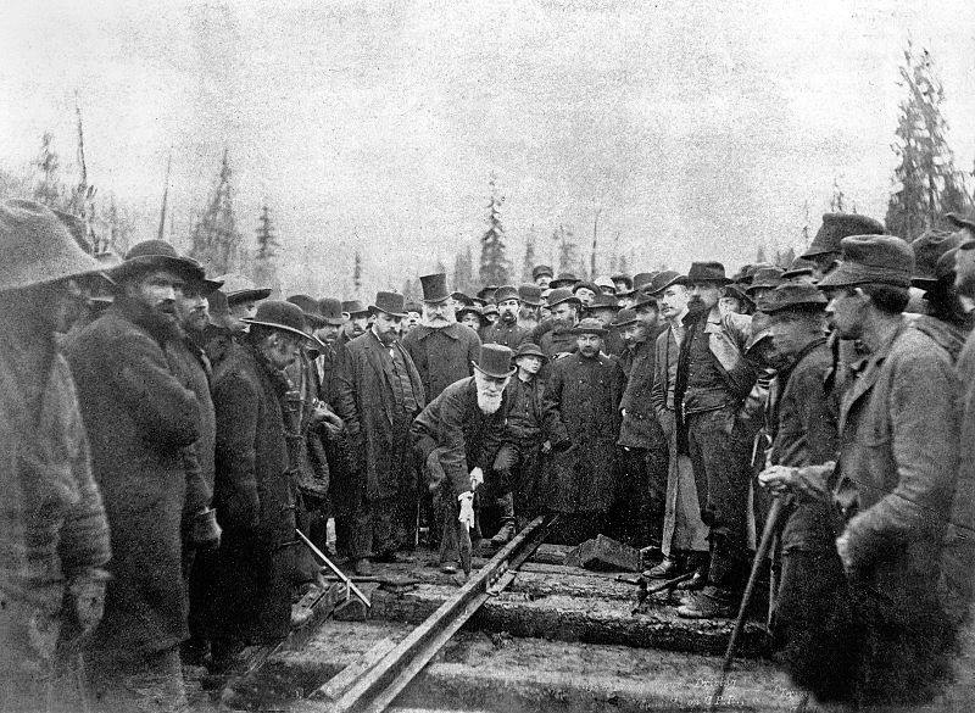
Throughout the 20th century, there were not a lot of mentions of the Chinese workers. School curricula across Canada only made some passing references to the last spike at Craigellachie, with several important photographs intentionally omitting the faces of the Chinese workers. Little effort was made to preserve the history of the 17000 Chinese workers. In public, the Chinese railway workers were invisible, and their stories were only preserved within the Chinese Canadians themselves. Neither the federal nor provincial government made an acknowledgement or recognition until the late 20th century.
It was not until the civil rights movement in the late 20th century, including calls for multicultural recognition and strong advocacy by Chinese Canadian organizations, that changes finally began to occur. From the 1980s and onward, there were increasing movements to acknowledge the contributions of the Chinese workers as well as the injustice that they faced. However, a major turning point occurred in 2006, when the then-Prime Minister Stephen Harper issued a formal apology in the House of Commons on the imposition of the Head Tax and the subsequent Chinese Immigration Act of 1923. This apology, delivered in both English and Cantonese, recognized the Chinese workers’ significant contribution as well as the suffering and discrimination faced by them during and after the construction of the Canadian Pacific Railway. While it was a symbolic milestone and accompanied by reparations and compensations to the head taxpayers and their spouses, it was still limited. For example, the descendants of the taxpayers were not considered. The broader impacts of the exclusion of Chinese immigrants were still not fully addressed.
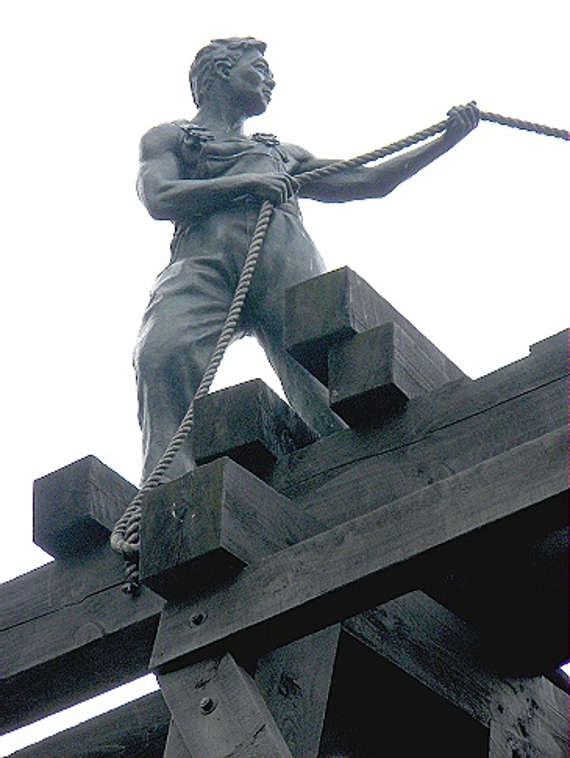
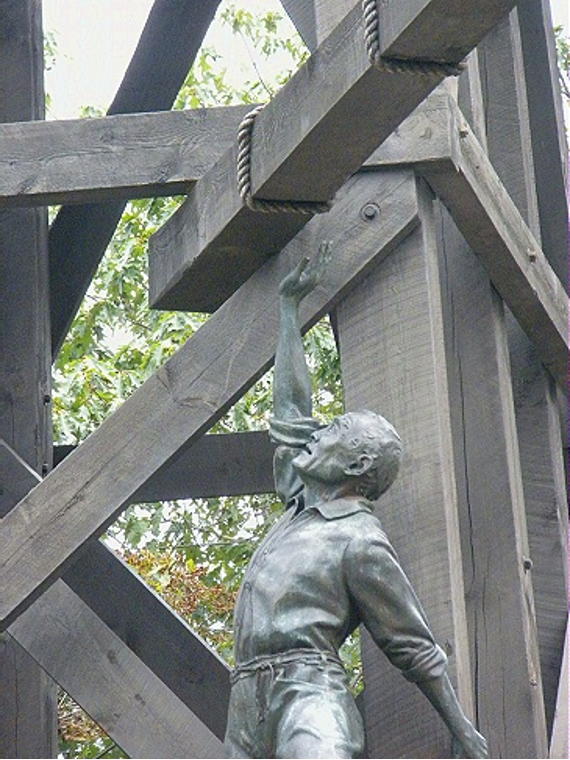
Recently, there have been more commemorative efforts at the local and national levels. There now exists a memorial monument in places with important historical relevance: a monument in Yale, British Columbia, near sites where Chinese laborers lived and died; plaques and statues in Vancouver and Kamloops to honor railway workers; and the restoration of work campsites along the railway route. These efforts are steps towards the right direction, bringing light to the once-forgotten history and creating opportunities for education and reflection.
Despite these efforts, there were still gaps in the national narratives. The contribution of the Chinese workers, as well as the discrimination faced, was still a tiny part of many school curricula. The physical and mental traumas faced by the Chinese citizens were still often underrepresented. Furthermore, while monuments and apologies serve a symbolic purpose, there is still a need for deeper institutional changes, such as historical integration, education reform, and preservation of the Chinese Canadian Community. For many descendants of the railway workers, the memory of injustice is a reminder of how Canada’s progress was achieved through both inclusion and exclusion.
There was still a lot to be done. True commemoration requires not only monuments and apologies, but an honest reckoning of the country’s foundation. Only by fully embedding these true stories into Canada’s historical consciousness—through education and policies—can we address the long silence following Canada’s greatest national achievements.
VI. Conclusion
The construction of the Canadian Pacific Railway is considered as one of the country’s most iconic achievements—an engineering triumph that unified the nation from coast to coast and solidified its territorial sovereignty. However, beneath this narrative lies a deeper reality: that both the railway and the nation itself were constructed through the exploitation of marginalized labor: the over 17,000 Chinese workers whose lives and sacrifices were, for an extended period, absent from historical accounts.
The 17000 Chinese Workers were an indispensable part of the project. They were often given the hardest and most dangerous tasks, working and in the harshest conditions, and had to face racial discrimination. They were treated as disposable despite being such an important part of the project. Upon completing the railway, they were immediately excluded by laws and social segregation instead of being met with gratitude. The country that they once helped build eventually rejected their presence and denied their significant contributions.
The “lost” history persisted into the 20th century. The legacy of the Chinese workers was absent from school textbooks and public monuments, and recognition. Only recently, through the efforts of Chinese Canadian archivists and historians, has this part of the history begun to surface. While apologies, memorials, and selective reforms are in the right direction, they remain insufficient without a deeper reckoning. True reconciliation requires the full integration of these histories into Canadian history.
By revisiting the story of the Chinese railway workers, this paper highlights a critical and controversial part of Canada’s nation-building project. The contradiction is not only a historical footnote but a foundational truth that continues to shape contemporary discussions about race, belonging, and memory in Canada. To honor the Chinese railway workers is not simply to remember their contribution, but to confront the inequities that were embedded in the creation of the nation—and to ensure that such silences never define our history again.
References
Banning Chinese immigrants came with “fanatical documentation,” says curator of exhibit on Exclusion Act | CBC News. (2023, June 30). CBC. https://www.cbc.ca/news/canada/british-columbia/chinese-exclusion-act-paper-trail-exhibition-chinese-canadian-museum-july-1-vancouver-1.6890114
Chinese descendants to receive compensation for head tax | CBC News. (2005, November 18). CBC. https://www.cbc.ca/news/canada/chinese-descendants-to-receive-compensation-for-head-tax-1.551028
Chinese head tax. (2025). In Wikipedia. https://en.wikipedia.org/w/index.php?title=Chinese_head_tax&oldid=1301784418
Chinese Head Tax in Canada (Plain-Language Summary). (n.d.). Retrieved July 29, 2025, from https://www.thecanadianencyclopedia.ca/en/article/chinese-head-tax-plain-language-summary
Chinese Immigration Act | The Canadian Encyclopedia. (n.d.). Retrieved July 29, 2025, from https://www.thecanadianencyclopedia.ca/en/article/chinese-immigration-act
Chinese Legacies: Building the Canadian Pacific Railway, to Jan 4 | The History Education Network. (n.d.). Retrieved July 29, 2025, from https://thenhier.ca/en/content/chinese-legacies-building-canadian-pacific-railway-jan-4.html
Chinese Railway Workers—British Columbia—An Untold History. (n.d.). Retrieved July 29, 2025, from https://bcanuntoldhistory.knowledge.ca/1880/chinese-railway-workers
Commemorating the 100th Anniversary of the 1923 Chinese Exclusion Act in Canada—Canada’s History. (n.d.). Retrieved July 29, 2025, from https://www.canadashistory.ca/education/classroom-resources/the-1923-chinese-exclusion-act
Consequences of the Chinese Exclusion Act: TC2. (n.d.). Retrieved July 29, 2025, from https://tc2.ca/products/consequences-chinese-exclusion-act
CPR< Chinese effort—Google Search. (n.d.). Retrieved July 29, 2025, from https://www.google.com/search?q=CPR%3C+Chinese+effort&oq=CPR%3C+Chinese+effort&gs_lcrp=EgZjaHJvbWUyBggAEEUYOTIHCAEQIRigATIHCAIQIRiPAjIHCAMQIRiPAtIBCDM3MzRqMGo3qAIAsAIA&sourceid=chrome&ie=UTF-8
CraigBaird. (2021, September 2). The Chinese Workers. Canadian History Ehx. https://canadaehx.com/2021/09/02/the-chinese-workers/
dgwhite. (2025, July 29). Chinese Railroad Workers Memorial. Atlas Obscura. http://www.atlasobscura.com/places/chinese-railroad-workers-memorial
Gorsalitz, E. (2023, May 30). “You must have this labour, or you can’t have the railway”: Chinese Labourers and the Construction of the Canadian Pacific Railway [Text]. NiCHE. https://niche-canada.org/2023/05/30/you-must-have-this-labour-or-you-cant-have-the-railway-chinese-labourers-and-the-construction-of-the-canadian-pacific-railway/
Heritage, C. (2021a, April 29). Significant events in the history of Asian communities in Canada. https://www.canada.ca/en/canadian-heritage/campaigns/asian-heritage-month/important-events.html
Heritage, C. (2021b, April 29). Significant events in the history of Asian communities in Canada. https://www.canada.ca/en/canadian-heritage/campaigns/asian-heritage-month/important-events.html
Journal of Commerce (Director). (2017, June 30). VIDEO: Chinese railroad workers and the CPR [Video recording]. https://www.youtube.com/watch?v=pyYMsIhobvs
Milestones in Chinese Canadian History | SMUS News. (n.d.). Retrieved July 29, 2025, from https://www.smus.ca/news/exclusion-acts-school-strikes-and-significant-election-commemorating-important-milestones
Morningstar, B. (2021, June 26). Remembering the Chinese Railway Workers. Toronto Railway Museum. https://torontorailwaymuseum.com/?p=1152
Parks Canada Agency, G. of C. (2024a, May 24). Exclusion of Chinese Immigrants (1923–1947)—National Historic Event—Exclusion of Chinese Immigrants (1923–1947) National Historic Event. https://parks.canada.ca/culture/designation/evenement-event/exclusion-chinois-chinese
Parks Canada Agency, G. of C. (2024b, May 24). Exclusion of Chinese Immigrants (1923–1947)—National Historic Event—Exclusion of Chinese Immigrants (1923–1947) National Historic Event. https://parks.canada.ca/culture/designation/evenement-event/exclusion-chinois-chinese
Parks Canada Agency, G. of C. (2025, April 23). Chinese Construction Workers on the Canadian Pacific Railway National Historic Event. https://parks.canada.ca/culture/designation/evenement-event/travailleurs-chinois-chinese-workers
Racial Segregation of Asian Canadians. (n.d.). Retrieved July 29, 2025, from https://www.thecanadianencyclopedia.ca/en/article/segregation-of-asian-canadians
The Ties that Bind. (n.d.). Retrieved July 29, 2025, from https://www.mhso.ca/tiesthatbind/AfterRailway.php
the-1923-collective. (2023, July 12). How Canada passed the Chinese Exclusion Act in 1923—CCPA. https://www.policyalternatives.ca/news-research/how-canada-passed-the-chinese-exclusion-act-in-1923/
thehistorysquad (Director). (2023, April 14). How Chinese Immigrant Labour shaped past and present [Video recording]. https://www.youtube.com/watch?v=KjtTGAtKKMU
Trade, M. of I. (n.d.-a). Building the Railway—Province of British Columbia. Province of British Columbia. Retrieved July 29, 2025, from https://www2.gov.bc.ca/gov/content/governments/multiculturalism-anti-racism/chinese-legacy-bc/history/building-the-railway
Trade, M. of I. (n.d.-b). Discrimination—Province of British Columbia. Province of British Columbia. Retrieved July 29, 2025, from https://www2.gov.bc.ca/gov/content/governments/multiculturalism-anti-racism/chinese-legacy-bc/history/discrimination
Treatment of Chinese Canadians during the late 19th century. (n.d.). Learning Portal. Retrieved July 29, 2025, from https://learning.royalbcmuseum.bc.ca/playlist/treatment-of-chinese-canadians-during-the-late-19th-century/
What was the Chinese Exclusion Act in Canada? 3 things you might not know – Beyond. (n.d.). Retrieved July 29, 2025, from https://beyond.ubc.ca/what-was-the-chinese-exclusion-act-in-canada-3-things-you-might-not-know/
Zak, M. C., & No, V. (n.d.). ADMINISTRATIVE REPORT.
Zhi, J. (n.d.-a). Chinese Immigration and the Canadian Pacific Railway: 1880-1885.