Superstition, Fortune, and Jewelry
Jenny Lee
Valley Christian School, San Jose, California
The essay explores how superstition and the concept of yùnqì (fortune) shape Chinese culture. Fortune is seen as cycling between good (hǎoyùn) and bad (bù zǒuyùn), encouraging people to work hard during good times and persevere through hardships. Customs influenced by Confucianism, Buddhism, and Taoism—such as filial piety and kindness—are believed to attract good fortune, while everyday symbols like red or jade carry protective and lucky meanings. Jewelry plays a central role, evolving across dynasties from jade talismans for elites to charms for longevity, prosperity, and protection that became widespread. In modern times, fortune-related jewelry such as red thread bracelets and jade still holds strong cultural value while blending with global fashion. The author concludes with a personal reflection on making beaded bracelets, highlighting jewelry as both art and a continuation of Chinese tradition.
Have you ever witnessed actors repeating the phrase “break a leg” to each other minutes before a performance? Or maybe you remember replying “fingers crossed” to a friend who wishfully said, “I hope I got an A on that last math test.” What do these two instances share in common? Well, they’re both popular examples of good luck sayings, and good luck sayings can arguably be categorized as a type of superstition due to their lack of factual or logical justification.
When you think about the origin of superstitions, your mind might immediately flicker to ancient civilizations. You might visualize a circle of citizens bowing in prayer around a statue of a deity or a priest offering sacrificial tributes to a sacred altar. Indeed, the majority of people associate the origin of superstitions with the religions of ancient societies, especially folk religions belonging to particular regions. In addition to the worship of deities, the existence of supernatural beings such as ghosts or evil spirits was widely believed.
Scientific knowledge was extremely limited back then due to the lack of tools that the modern world has access to. Therefore, civilizations proposed superstitious explanations for the occurrences of natural phenomena. As a result, they also developed superstitious customs that were routinely practiced in order to obtain safety or success. They were unconvinced that these objectives could be attainable by hard work if not by coincidental chance, so they attempted to gain fortune’s favor by acting on superstition. Rituals for deities were conducted to win prosperity for the year’s crop harvest, and special objects were used to protect people from the harmful influence of demonic entities.
This presence of superstition continued for centuries in all societies around the world, from the fear of witches in medieval Europe to the rhyme “step on a crack, break your mother’s back” that evolved in the United States during the late 1800s to early 1900s. Although superstition is not perceived as seriously in this modern age as it was in previous periods, it still remains relevant today in smaller, subtler ways. And, for certain countries, it’s been a dominant part of the culture’s identity from the birth of the nation’s history to the present point in time. China is an example of a country whose superstitious beliefs and behaviors have played a significant role in shaping the culture’s unique characteristics.
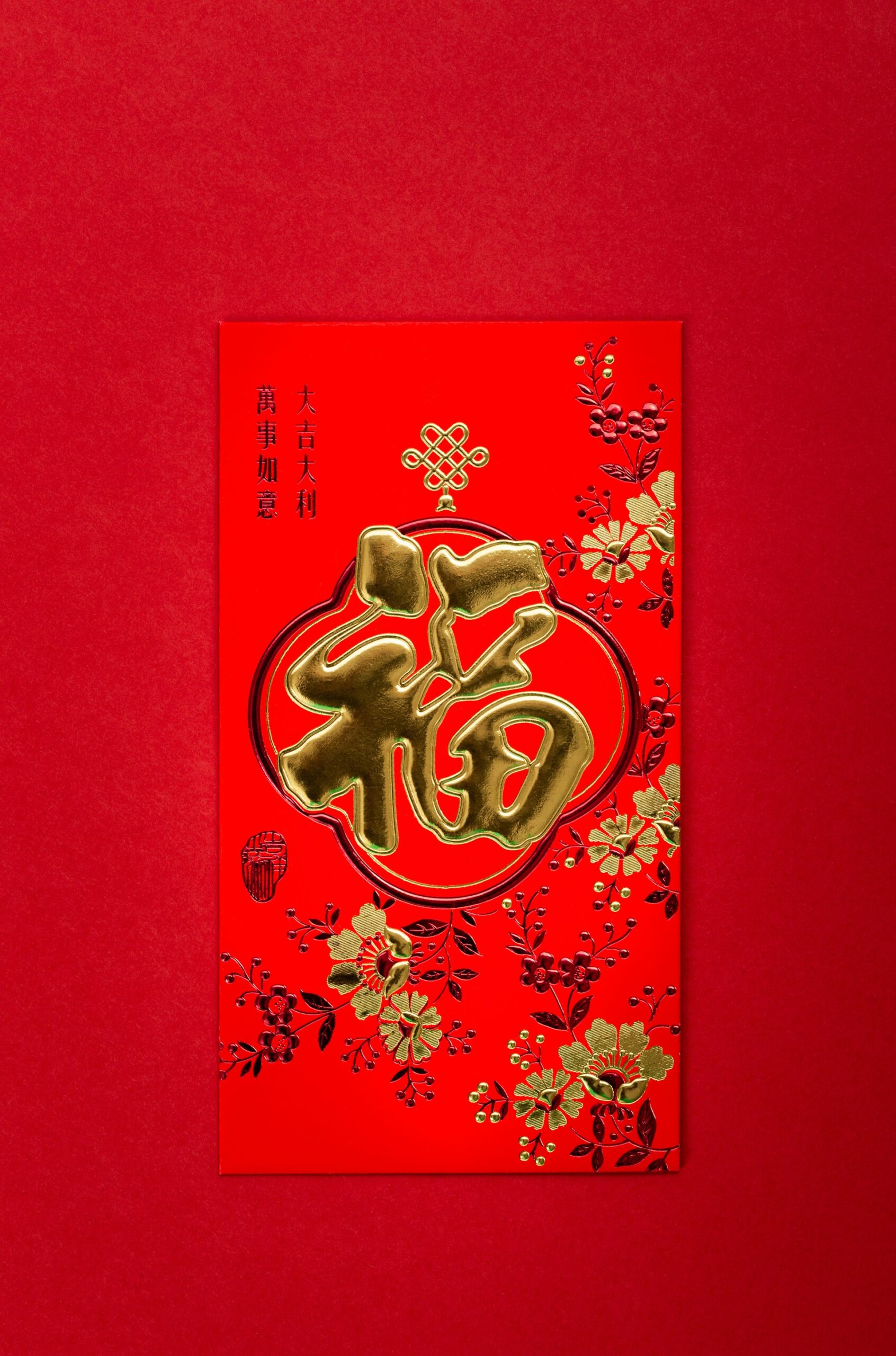
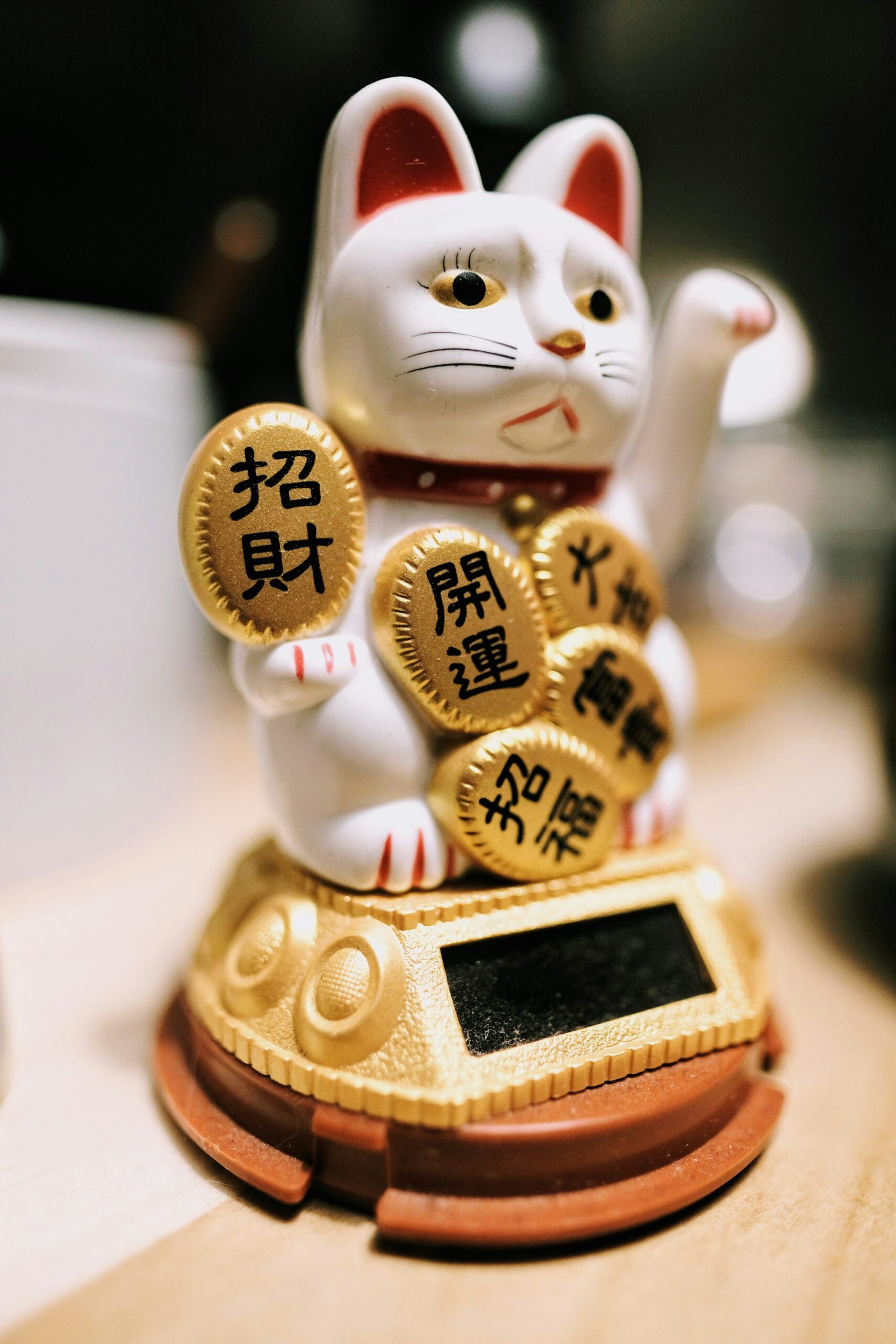
Why is four a number that’s omitted from elevator symbols in China? Because in Mandarin, its pronunciation is similar to that of the word “death”: not a pretty correlation. In contrast, why is red the most common color to see in Chinese decorations? Because it symbolizes luck, prosperity, happiness, and wealth: all the things you want to be blessed with. Much of Chinese superstition revolves around the core concept of yùnqì, or, fortune in the English translation. Yùnqì is claimed to be an active force that directly influences individuals’ lives as opposed to a passive idea that only exists in theory. This aligns with the trend of concepts, scientific or technical, being personified or interpreted in fantastical ways in ancient civilizations, and as evidenced, ancient China was no exception.
While some science did circulate throughout the nation back then, religion and philosophy possessed a greater impact on the people’s opinions due to their higher priority in importance. Also, scientific knowledge was likely reserved for high-status elites who chose to pursue refined, sophisticated forms of studies that the working classes could not afford to waste time on; the majority of the population performed manual labor on a daily basis in order to sustain themselves and their families financially. Only a minimal percentage of the total population was actually educated, or at least to a point that is more advanced than basic literacy and arithmetics.
Returning to the topic of yùnqì, it is divided into two types: hǎoyùn and bu zǒuyùn, respectively translating to good fortune and bad fortune. Hǎoyùn and bu zǒuyùn are stated to operate in a cycle, indicating that no one is intended to be permanently blessed with fortune or permanently cursed with misfortune. Everyone experiences periods of both hǎoyùn and bu zǒuyùn without exceptions, and they are expected to react accordingly to those intervals depending on which type of yùnqì they are confronted with.
For hǎoyùn, individuals are advised to take advantage of the favorable circumstances by working their hardest to achieve success and improve their personal skills to a higher degree. For bu zǒuyùn, the strength of the individuals’ perseverance is tested as they are forced to adapt to unfavorable circumstances and overcome obstacles. Despite the inherent unfairness of being forced to struggle through difficult challenges, people can obtain many life lessons from their conflicts that can aid them in the future.
Yùnqì may be a spiritual belief, but the advice that can be gained from learning about it is very practical. Complacency is the enemy of self-improvement, but effort is the key to furthering growth and development. There are no shortcuts to success: the only way to physically pass a hill is to climb up and down it. If you quit halfway, you’ll be stuck on the hill without ever passing it. But if you remain determined, then you can cross its bump and see the other side of the terrain.
While the cycle of yùnqì cannot be manipulated in favor of only hǎoyùn, it is believed that there are many customs that can be practiced in order to increase the chances of experiencing a period of hǎoyùn. One of these customs relates to the Buddhist explanation of karma in which you are rewarded for your good deeds, and conversely, punished for your bad deeds; this explanation is similar to the traditional definition of karma that labels it as being the consequence for your actions. Respect is an integral part of Chinese culture that derives from Confucianism teachings in which family structure and social hierarchy are prioritized greatly: you must demonstrate respect towards your parents, elders, ancestors, and authority figures (officially defined as “filial piety”.) Similarly to the saying “do unto others as you would have them do unto you”, by treating others with kindness and generosity, you can expect to be compensated for your efforts with a period of hǎoyùn in the future.
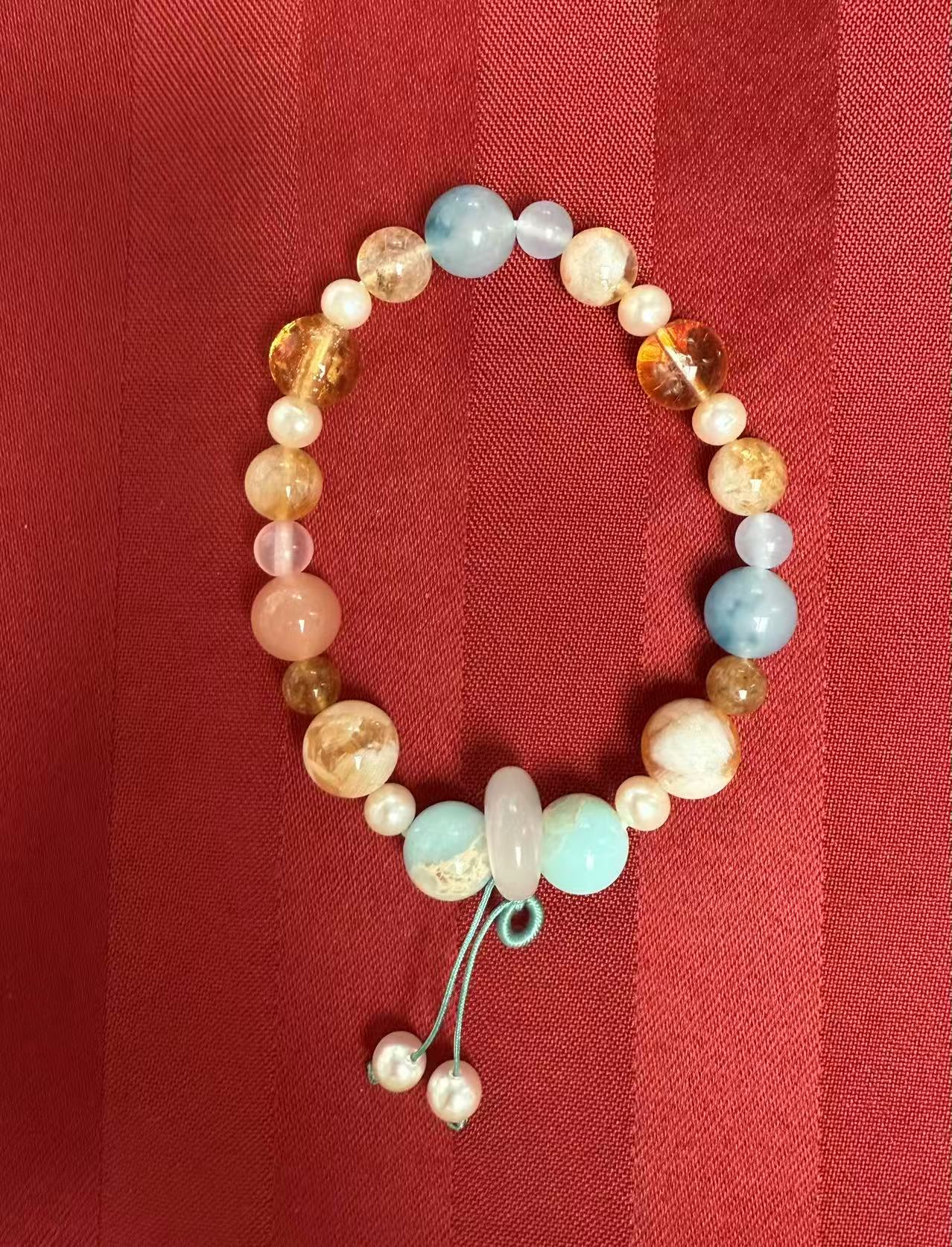
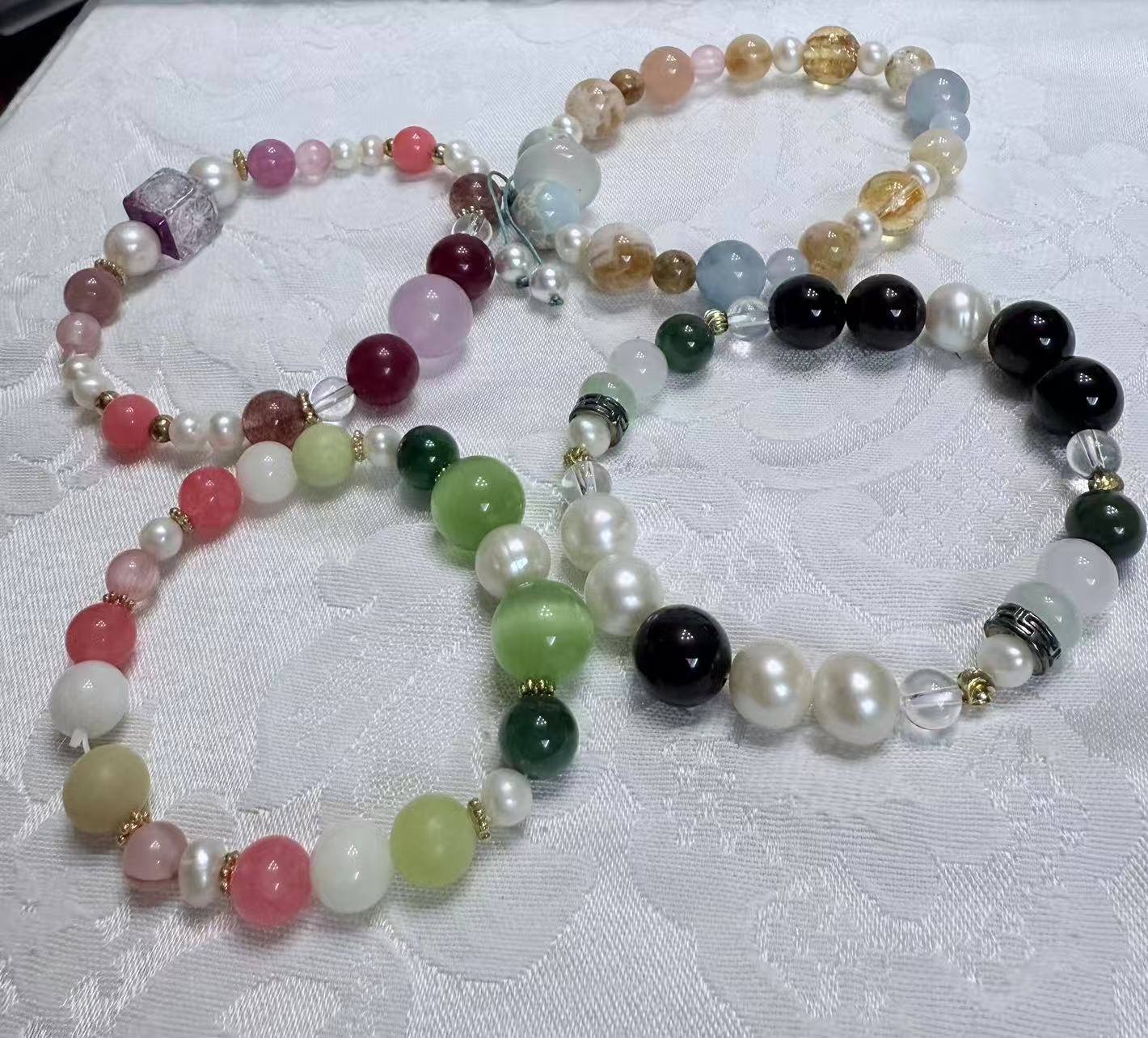
Other methods of acquiring hǎoyùn veer closer to superstition than to reality, and a lot of these superstitious examples have been ingrained in Chinese culture for thousands of years since ancient times. Some are even actual objects, not just behavioral customs. Jewelry in particular has specialized in yùnqì, and its diverse variety of unique designs, color combinations, and materials illustrate different symbolisms that relate to luckiness. China’s long history contributed to its rich tradition of jewelrymaking that thrives to this day.
Articles of jewelry were always more than just decorative accessories: they served as tangible representations of wealth, power, status, and spirituality. From the Neolithic period to the modern age, Chinese jewelry has continuously reflected the ever-evolving principles, fashion aesthetics, and technologies of each era. The earliest forms of jewelry in China can be traced back to the Neolithic period (around 5000 BCE), specifically in the Liangzhu and Hongshan cultures.
Jade, or yu, emerged as a popular material in this time period, valued not only for its beauty but also for its spiritual properties. It was believed to both protect wearers from evil spirits and purify evil energies or any unbalances. It was also perceived as the connection between heaven and earth, marking it as a philosophical or religious gemstone. Like most other elaborate gemstones in most other civilizations, jade was generally reserved for royalty and nobility, a subtle signal of high status. During the Shang Dynasty (c. 1600–1046 BCE), jade objects shifted from simplicity to intricacy in patterns. Artisans carved animal motifs and symbolic shapes such as bi discs and cong tubes, often used in rituals and burials to communicate with the divine and ensure a peaceful afterlife.
In the Zhou Dynasty (1046–256 BCE), the correlation between jewelry and moral virtue was emphasized. Confucian philosophy promoted jade as a metaphor for integrity, justice, and wisdom. It was common for nobles to wear jade pendants or sashes to advertise their moral character. The Han Dynasty (206 BCE–220 CE) was the time period during which the concept of good luck charms became more widespread. Talismans inscribed with auspicious phrases or significant animals like dragons and phoenixes were used to ward off evil spirits. Gold, silver, and bronze were metals that increased in popularity, and items like coin-shaped pendants and lock charms were crafted to protect children from harm and guarantee longevity. The Tang Dynasty (618–907 CE) was the golden age for Chinese culture and trade, including jewelrymaking. Exposure to foreign styles along the Silk Road inspired more complex and colorful designs using gold, other gemstones, and enameling techniques. Jewelry frequently incorporated Buddhist and Taoist imagery such as lotus flowers for purity and the Eight Treasures for spiritual protection.
The Song Dynasty (960–1279) concentrated on more polished and scholarly appearances. Jade remained crucial, but artisans also created delicate hairpins, rings, and brooches featuring images like plum blossoms, representing perseverance, and butterflies, representing love. Lucky charms in this period were poetic or symbolic, conveying wishes for longevity, fertility, or success in the imperial examinations. During the Ming (1368–1644) and Qing (1644–1912) dynasties, the deeper meanings in jewelry and lucky charms became more extravagant and accessible to the wider population outside of royalty and nobility. Lock-shaped pendants for children, believed to “lock” health and fortune, diffused rapidly. Charms were cast with auspicious phrases like “fu” (happiness), “shou” (longevity), or “lu” (prosperity). The Qing Dynasty especially witnessed the popularity of five-poison charms, used during the Dragon Boat Festival to prevent disease and the presence of evil spirits. Jade, coral, agate, and turquoise were commonly implemented, and imperial court jewelry featured detailed craftsmanship with dragons, clouds, and phoenixes: symbols of power, peace, and harmony respectively.
In the 20th and 21st centuries, the role of fortune-focused jewelry in China has changed but not diminished. While modern styles further embrace international aesthetics, traditional visuals and materials, particularly jade, retain their cultural importance. Many Chinese people still display red thread bracelets, pixiu charms for wealth, and bagua symbols for protection and balance, especially during festivals or life milestones. Jewelry has also transformed into a way of personal expression and a way to reconnect with heritage.
My own experience with creating Chinese jewelry began rather recently when I learned how to make beaded bracelets. As an artist, I was fascinated with familiarizing myself with a variation of art that I’d never indulged in before. Upon seeing the containers upon containers of beads, pearls, and charms, a wave of excitement immediately washed over me as I fantasized about experimenting with everything within my grasp.
Big or small, opaque or transparent, marbled or plain-colored, the diversity overwhelmed me. Would I play around with symmetry? How would I use color and shape to weave a cohesive theme? There was a small box of bits and pieces of holed gold and silver: should I include some of those in my designs to add complexity? These questions swirled through my mind at first, but I silenced them after starting my work with a single bead. Just picking up one and placing it in front of me was enough of an action to initiate an entire process of designing and stringing.
You don’t need to be a professional jewelrymaker to know how to create jewelry: it’s as simple as it is fun. And when you’re in the company of a friend who is working alongside you, the fun is doubled as social bonding occurs. Your creativity is stimulated as you stir art to life with each bead you string, infusing the beauty of fashion into every design. But remember that jewelry isn’t just a type of fashion: it’s a manifestation of culture, history, and a culmination of centuries’ worth of tradition.