Belonging in the Lunchbox: ABC Family Lunch Culture and Identity
Miranda Chen
The Peddie School, Hightstown, NJ
For American-born Chinese families, the lunchbox can carry more than food: it preserves family memory through tastes, preparation, and shared cultural knowledge. At school, those same foods can become markers of difference, making the lunchbox a space where Chinese and American identities, belonging, and social pressure are negotiated.
For American-born Chinese (ABC) families, lunch is more than a nutritional provision. It is a cultural practice carried from home into the everyday space of school. This paper argues that lunchboxes can sustain Chinese family memory through food names, tastes, preparation, and sharing. At the same time, in schools where mainstream American food often functions as the unmarked norm, they can place children in situations where their identities are watched, explained, or adjusted. This does not mean that all ABC families cook, pack lunches, or identify in the same way. Rather, lunch should be understood as a site where generational, class, regional, and individual experiences meet.
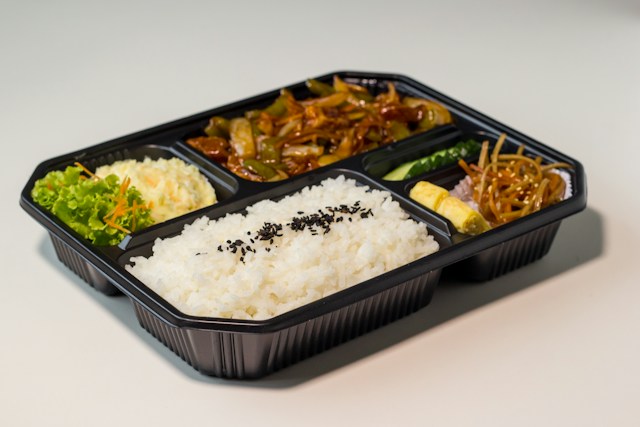
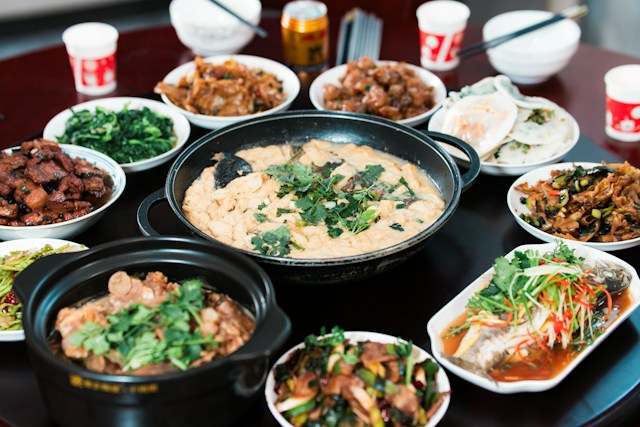
This approach first avoids treating “Chinese” and “American” as mutually exclusive identities. A study of Chinese American young adults found that, among American-born participants, overall evaluations of being Chinese and being American were not significantly related; the two identities could coexist as relatively independent dimensions [1]. A lunchbox containing fried rice, a sandwich, or both therefore cannot measure the “authenticity” of a child’s identity. More often, it records choices made within the constraints of time, children’s preferences, and available ingredients. A qualitative study of sixteen second-generation college students from different ethnic backgrounds likewise found that preparing, sharing, and eating cultural foods can connect people to traditions, history, and ancestors; continued foodways were associated with belonging, comfort, and security [2]. These findings help explain a possible mechanism, but a small and ethnically mixed sample should not be generalized to every ABC lunch experience.
Lunch takes on cultural meaning through relationships of care. Research on Asian American families describes food purchasing, preparation, and consumption as emotionally meaningful forms of family interaction, with shared meals associated with family cohesion [3]. In interviews with twenty-five Chinese American adults, food memories, family influence, time pressure, and intergenerational transmission of cooking knowledge together shaped food narratives [4]. It is therefore reasonable to infer that parents preparing food early in the morning, grandparents passing down dish names and methods, or children sharing home-cooked food with classmates transmit more than satiety. They pass on family knowledge that can be remembered and retold. Still, existing research has not measured how often these particular processes occur in school lunchboxes.
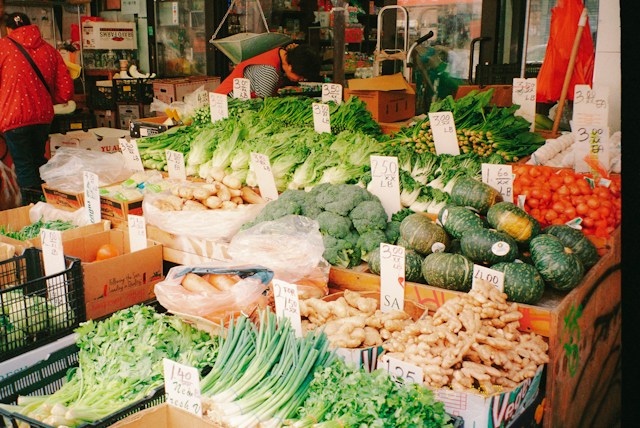
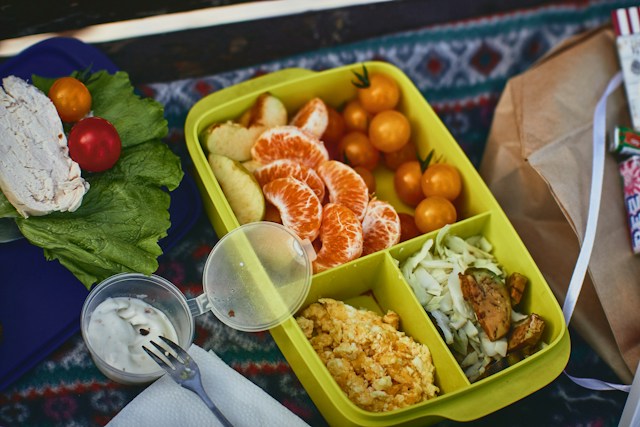
This knowledge also connects lunch to community memory in Chinatown. The Smithsonian notes that Chinatowns historically served as spaces of safety and community amid anti-Chinese exclusion, and that they can be an entry point to Chinese heritage for some U.S.-born Chinese people [5]. Oral histories collected by the Museum of Chinese in America (MOCA) link parents’ cooking, family values, and intergenerational transmission among family cooks and second- and third-generation participants [6]. Ingredients purchased in Chinatown markets, recipes maintained at home, or stories of migration told around the table may thus make lunch a small archive of family and community history rather than a fixed symbol of tradition.
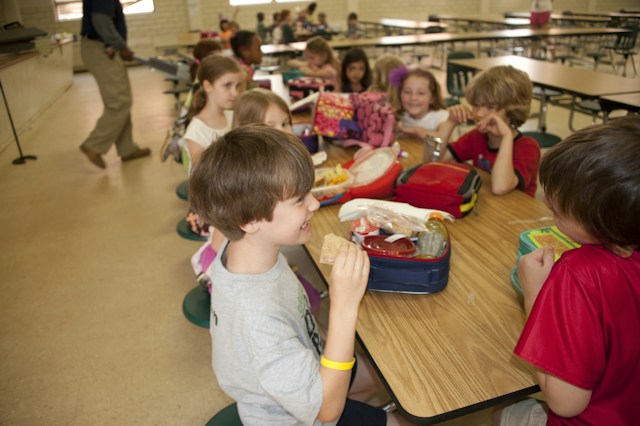
Once a lunchbox enters school, however, belonging is not always easy. In an experiment with U.S. children aged five to twelve, participants rated Chinese, Indian, and Mexican lunchboxes as less tasty and less neat than mainstream American lunchboxes, and in a hypothetical cafeteria were more likely to choose a table with American food [7]. The study shows that food can operate as a cue for social norms, but it should not be equated with actual bullying. In a mixed-methods sample of 241 Asian Americans in the United States, 48.5 percent reported a “lunchbox moment”; open-ended responses described negative reactions, emotions, and rejection of ethnic traditions [8]. This figure does not represent ABC children specifically. Together with the experiment, however, it suggests that children may make their food appear more “ordinary,” explain or share it with others, or continue bringing it as it is. The important question is how they navigate these changing responses—not whether Chinese food is inherently a problem, or whether Americanization is a one-way destination.
References
1. The Meaning of “Being Chinese” and “Being American”: Variation among Chinese American Young Adults. URL: https://culture-emotion-lab.stanford.edu/sites/culture-emotion-lab/files/media/file/the_meaning_of_being_chinese_and_being_american.pdf
2. The impact that cultural food security has on identity and well-being. URL: https://pmc.ncbi.nlm.nih.gov/articles/PMC7829482/
3. How Shared Dietary Behaviors Within Asian American Families Are Influenced by Emotional Interaction Qualities: A Nationwide Cross-sectional Analysis. URL: https://pmc.ncbi.nlm.nih.gov/articles/PMC11635010/
4. Chinese-American constructions of food and health: The impact of migration on the social construction of food, knowledge, and identity. URL: https://escholarship.org/uc/item/6tt7r90t
5. Discovering Chinese Heritage, Part 1: Chinatowns. URL: https://festival.si.edu/blog/2014/discovering-chinese-heritage-part-1-chinatowns
6. Sour Sweet Bitter Spicy: Stories of Chinese Food and Identity in America. URL: https://ohms.mocanyc.org/interviews.php?ProjectName=Sour+Sweet+Bitter+Spicy%3A+Stories+of+Chinese+Food+and+Identity+in+America
7. Children’s evaluations of culturally diverse lunchbox foods. URL: https://www.sciencedirect.com/science/article/pii/S0022096524000511
8. “Ew, What’s That Smell?” Asian Americans’ Experiences of Culinary Racism. URL: https://www.ovid.com/journals/aajp/fulltext/10.1037/aap0000357~ew-whats-that-smell-asian-americans-experiences-of-culinary