Anna May Wong: Her History, Her Story, and Her Impact
Amanda Lin
Orange County School of Arts, Santa Ana, CA
This project explores the life, career, and lasting impact of Anna May Wong, the first Chinese American movie star to achieve international fame. Growing up in Los Angeles during the rise of Hollywood, Wong pursued acting despite an industry that often confined Asian American women to stereotypes and denied them leading roles. Her experience with The Good Earth, where discriminatory casting practices and the Hays Code prevented her from playing a Chinese female lead, revealed the racial barriers embedded in early Hollywood. Rather than allowing these limitations to end her career, Wong sought opportunities abroad and earned international recognition for her talent. Her story represents more than individual success: it is a story of persistence, representation, and breaking barriers. For generations of Chinese American girls who followed, Anna May Wong helped create the visibility that she herself never had growing up.
From as young as 7 years old to as old as 16, my favorite Disney princess has always been Mulan. Her cute dragon, cool outfits, and hot man, she had it all. But more than that, she was a hero of the story that looked like me. She made me and all the little Chinese American girls feel seen on screen. But decades before Mulan was created, actress Anna May Wong was fighting for that same representation in Hollywood.
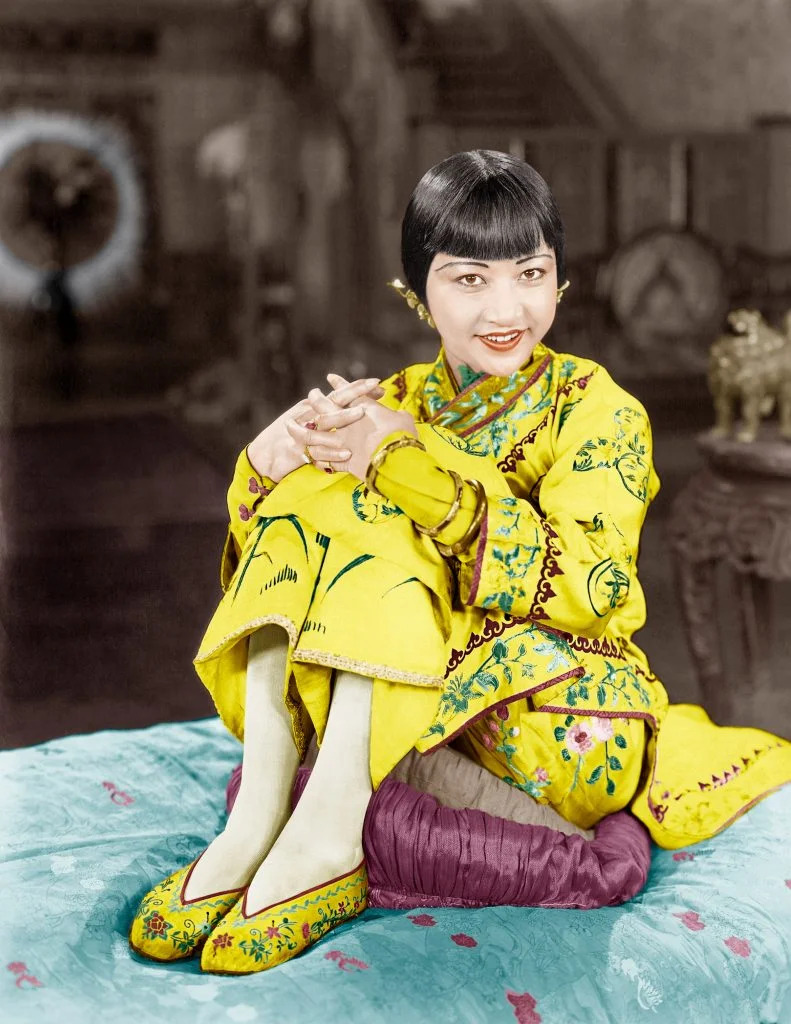
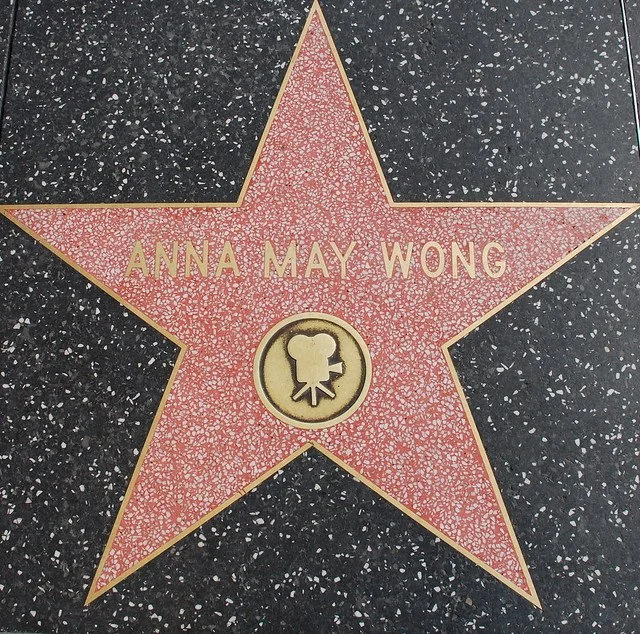
Anna May Wong was one of the most influential actors in Hollywood. She was the first Chinese American movie star and the first Asian American actor to achieve international fame. Born in California on January 3rd 1905, she was given the birth name Liu Tsong Wong. She was later given the English name Anna May by her family.
As she grew up, Wong worked in her family’s laundromat. It was at that age when film production from New York moved to California. From there on out, Wong knew she had to be an actress. She often skipped out on lunch and used her lunch money to go see movies. In 1919, she got a role as an extra in the film, The Red Lantern. Wong would continue to audition for movie roles. It was during 1921 where she dropped out of high school to pursue a full time career as an actor. Finally, at the age of 17, Anna May Wong was cast in a leading role in the silent film, Toll of the Sea. She would go on to be in over 50 films, American, English, and German. However, no matter her success, her career and roles in movies were constantly limited because of the stereotypes Hollywood placed on Asian American women. Anna May Wong’s story is more than just becoming famous; it’s about a Chinese American woman who had to fight for her role in the entertainment industry that often didn’t see her as equal.
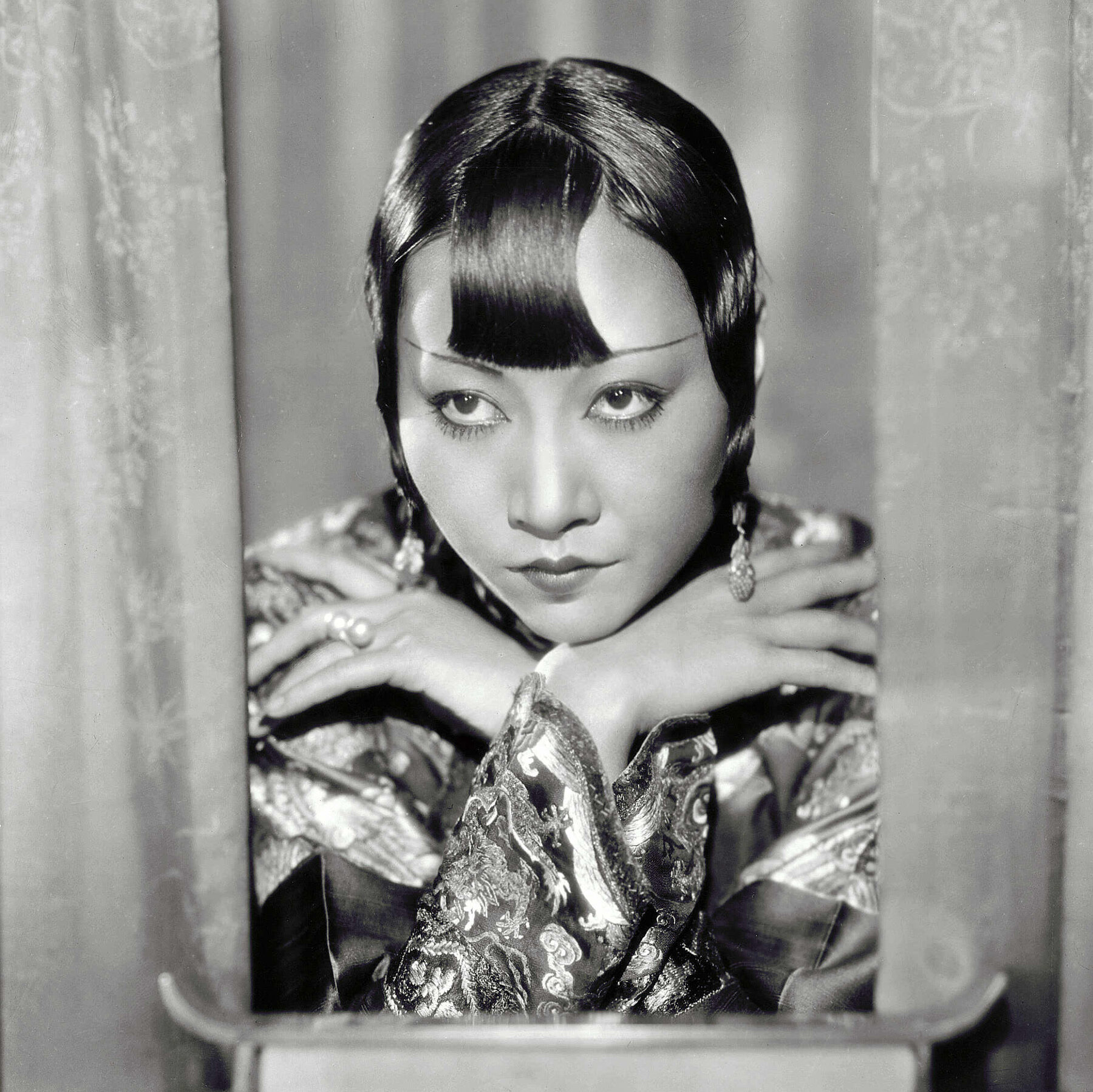
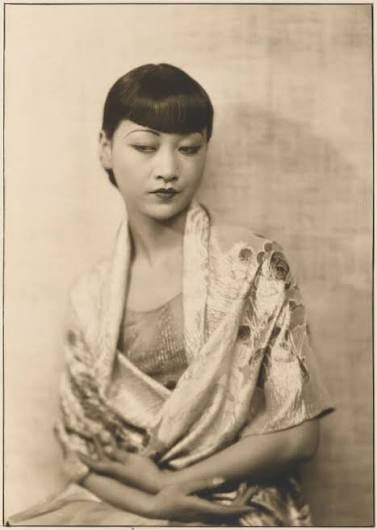
Wong was frequently cast as supporting characters to the main character. In addition to that, she was also cast as Asian stereotypes: the “dragon lady” or the “butterfly girl”. Roles like these presented Asian women in uncomplex ways, affecting their image. When Wong was cast portraying these roles, it left her unable to express her acting range. Not only were the stereotypes of being an Asian American woman holding her back, certain laws dictated what she could and couldn’t act in.
In 1937, Anna May Wong auditioned for the role of O-Lan in The Good Earth. She had hoped to be cast for this role since the character was a Chinese woman. Instead, she was passed over for actress Luise Rainer for the main female lead role. Wong was offered the role of Lotus, a secondary character in the film. She refused the role, stating that she refused to use her Chinese ancestry to play the only unsympathetic role in an all-American cast portraying Chinese characters. Her rejection from the role of O-Lan was connected to the Hays Code. The code was a rule that prevented interracial relationships on screen. Because The Good Earth had already cast white actor Paul Muni as the male lead, casting Wong as the character’s wife would have placed an interracial relationship on screen. The Hays Code prohibited this so the role for a Chinese female lead was given to white actress Luise Rainer. In order to account for the lead character being all white, yellowface was done to all of them. The fact that Hollywood chose to reject Anna May Wong, auditioning for the role of a Chinese woman, for her race reveals the deep rooted discrimination in the film industry. Hollywood didn’t face an issue of not having any talented Chinese actors. Instead, they felt uncomfortable showcasing Chinese actors to their American audience and opted to cast white actors with yellowface for the film.
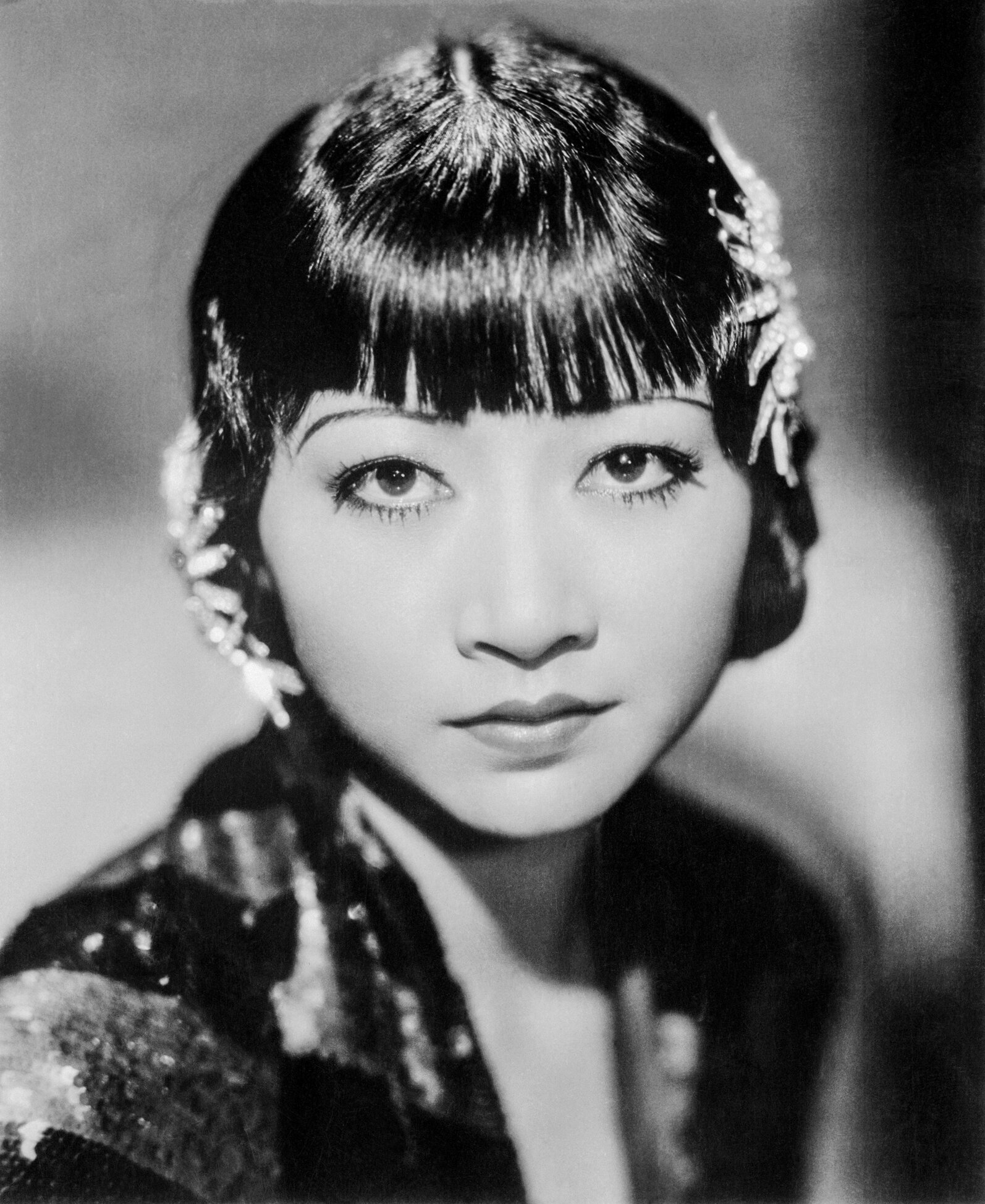
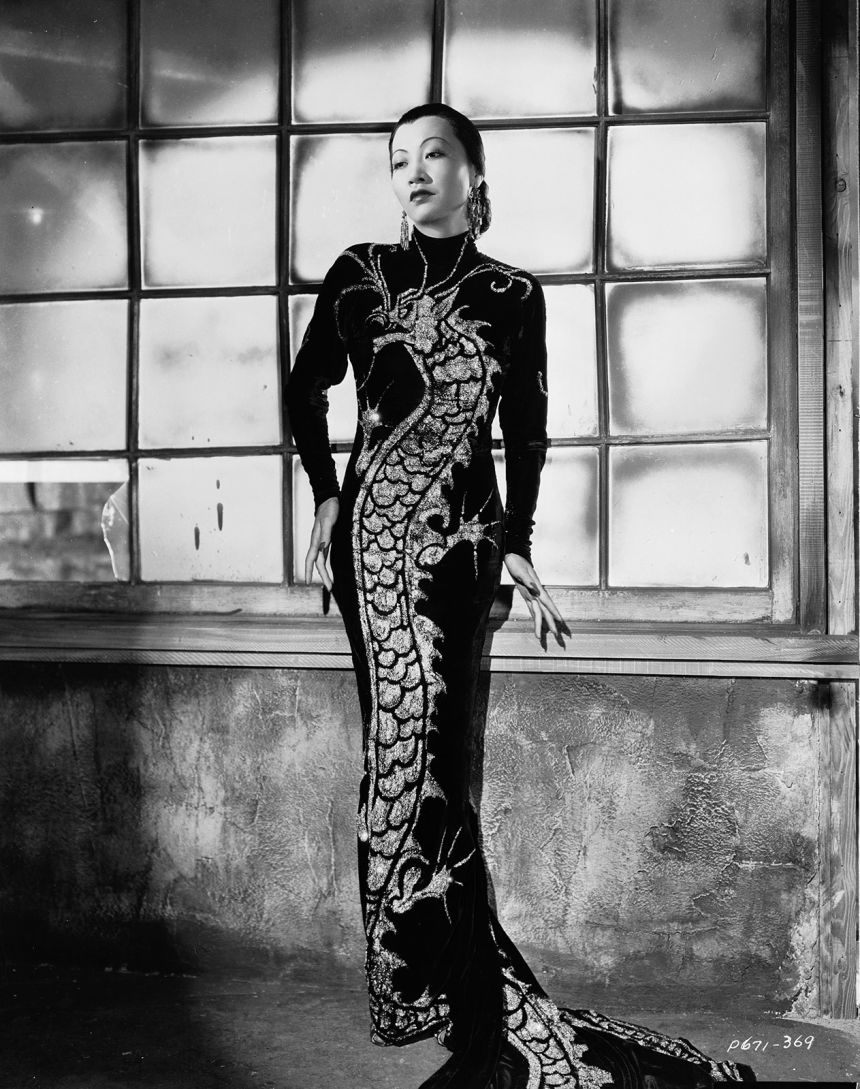
Anna May Wong didn’t let these barriers end her career. Instead, she looked for acting opportunities outside of America. She hoped this would allow her to get more diverse acting opportunities. It was in Europe that she achieved international recognition for not only her beauty, but also her great acting talents. Her success overseas shows that the limitations she encountered in Hollywood was not due to her acting. Rather, it was a reflection of the discriminatory stereotypes within the film industry.
Anna May Wong’s influence can still be seen today. Not only is she still remembered as an important figure in film history, but also a trailblazer to little Chinese American girls like me who look up to her. In a time where Asian actors were denied opportunities to be on screen, Wong broke barriers and made a lasting legacy. When I think about Mulan, I think about how important it was for me to have someone like me to look up too. Anna May Wong did not have that type of representation growing up. Instead, she paved a way for future generations and became her own type of Mulan.
Works Cited
1. Alexander, Kerri Lee. “Anna May Wong.” National Women’s History Museum, 2019, https://www.womenshistory.org/education-resources/biographies/anna-may-wong
2. “Actress Anna May Wong Championed Asian American Representation in More than 60 Films.” Smithsonian American Women’s History Museum, 24 Oct. 2022, https://womenshistory.si.edu/blog/actress-anna-may-wong-championed-asian-american-representation-more-60-films?
3. “Anna May Wong’s Long Journey from Hollywood to the Smithsonian.” National Museum of American History, Smithsonian Institution, 1 May 2024, https://americanhistory.si.edu/explore/stories/anna-may-wong
4. “Anna May Wong: Topics in Chronicling America.” Library of Congress, 12 June 2025, https://guides.loc.gov/chronicling-america-anna-may-wong?
5. “AFI Catalog Spotlight: Anna May Wong.” American Film Institute, 1 May 2021, https://www.afi.com/news/afi-catalog-spotlight-anna-may-wong/?